
 en
en 


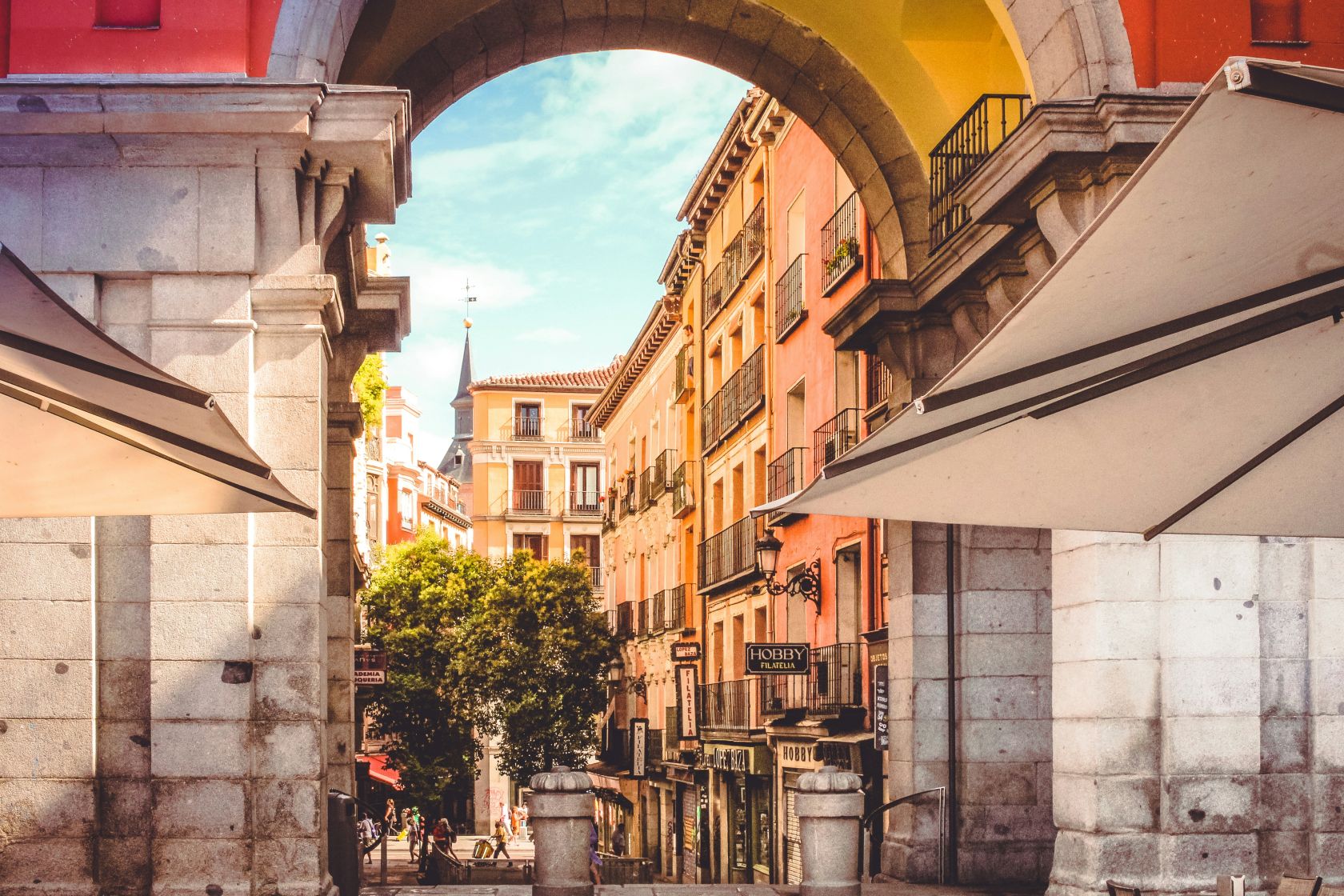

According to the calculations made by Spanish entities, international tourists left around 86.7 billion euros in the country's economy, representing an increase of 17.6% compared to the same period in 2023.
The second country to receive the most international tourists in the world, after France, received 10.9 million tourists in the peak of summer – the months of July and August –, thus totaling 21.8 million in the two months, according to data from the Spanish National Statistics Institute, indicating that this number is equivalent to an increase of 7.3% compared to the same two months of the previous year.
Almost 20% of international tourists who visited Spain in these two months came from the United Kingdom, followed by the French (3.75 million), Germans (2.49 million) and Italians (1.35 million). The figures also show that 850,000 tourists flew from the United States, 13% more than in the same period in 2023.
While Tourism Minister Jordi Hereu hailed the figures as “a great success for the well-being, social cohesion and economic development of Spain”, he also acknowledged the need for the sector to “transform” its model, as the country has been plagued by protests against mass tourism.
Remember that at the beginning of July, Barcelona residents used water pistols on visitors in a protest against mass tourism. The city has been trying to moderate the influx of tourists for years. In 2022, measures were taken to combat large tourist groups, and a busy bus route was hidden from Google Maps to ensure that residents, especially the elderly, could find a place to stay. In the latest move, Mayor Jaume Collboni has promised that short-term rentals will disappear from the city by 2028. The 10,101 apartments currently approved for tourist rentals are set to have their licences revoked within the next four years.
Other Spanish destinations are also facing the downsides of mass tourism. In April, residents of the Canary Islands went on hunger strike, citing the environmental disaster left by tourists, with golf courses, swimming pools and other developments absorbing huge amounts of water at a time when water shortages are becoming increasingly common.
In May, anti-tourism protests took place across the Balearic Islands, with hundreds of people on the streets of Menorca, 1,000 in Ibiza and 10,000 in Palma de Mallorca, with another 20,000 people taking to the streets of Mallorca in July.


 English
 Español
 Nederlands
 Deutsch
 Français
 Italiano
 Svenska
 Português